Your Independent Guide to the Best Food Experiences in Copenhagen
Discover the hidden gems, classic dishes, and New Nordic flavors of Denmark’s culinary capital
Copenhagen is more than just a beautiful city of canals and colorful houses—it’s a global food powerhouse. Over the last two decades, a culinary revolution known as New Nordic Cuisine has put Denmark on the map. This movement focuses on local, seasonal, and foraged ingredients, transforming simple, traditional Danish food into world-class gastronomy.
But you don’t need a Michelin star to eat well here. From cozy bakeries serving flaky pastries to bustling food markets and historic lunch spots, Copenhagen offers a food experience for every traveler. This guide is your independent, friendly, and trustworthy resource for navigating the city’s delicious landscape.
The Danish Food Trinity: 3 Must-Try Dishes
Smørrebrød (Open-Faced Sandwiches)
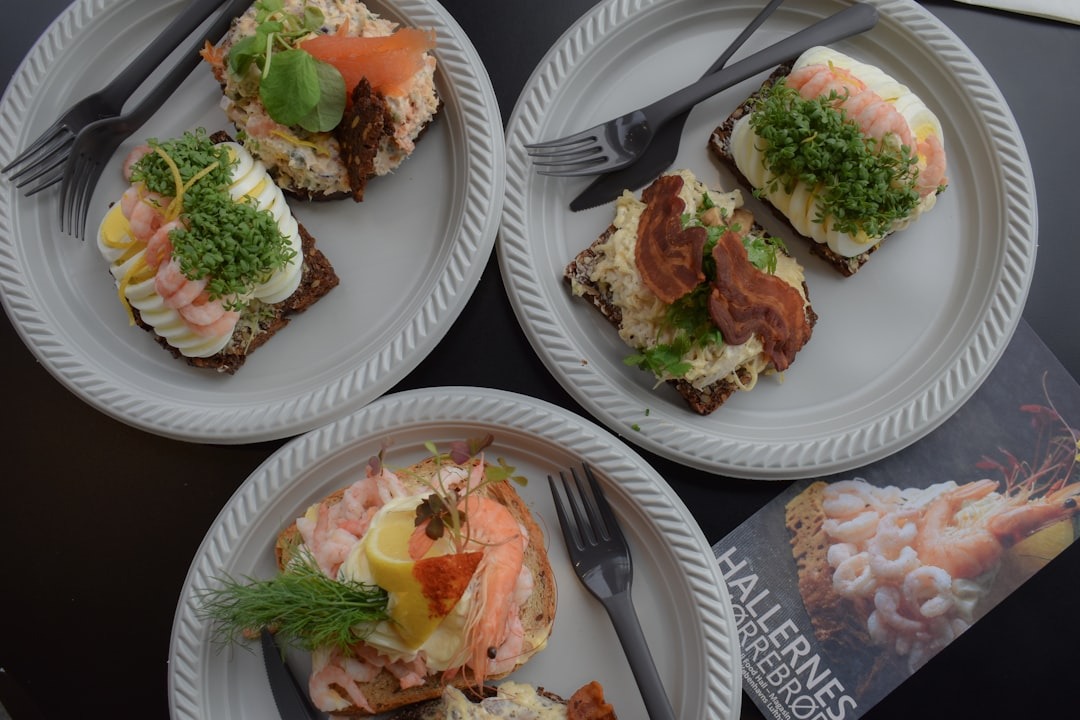
This is the quintessential Danish lunch. It’s a slice of dense, dark rye bread (rugbrød) topped with an artful arrangement of ingredients. Think pickled herring, roast beef, smoked salmon, or eggs and shrimp. It’s a tradition that has been elevated to an art form in Copenhagen.
Wienerbrød (Danish Pastry)
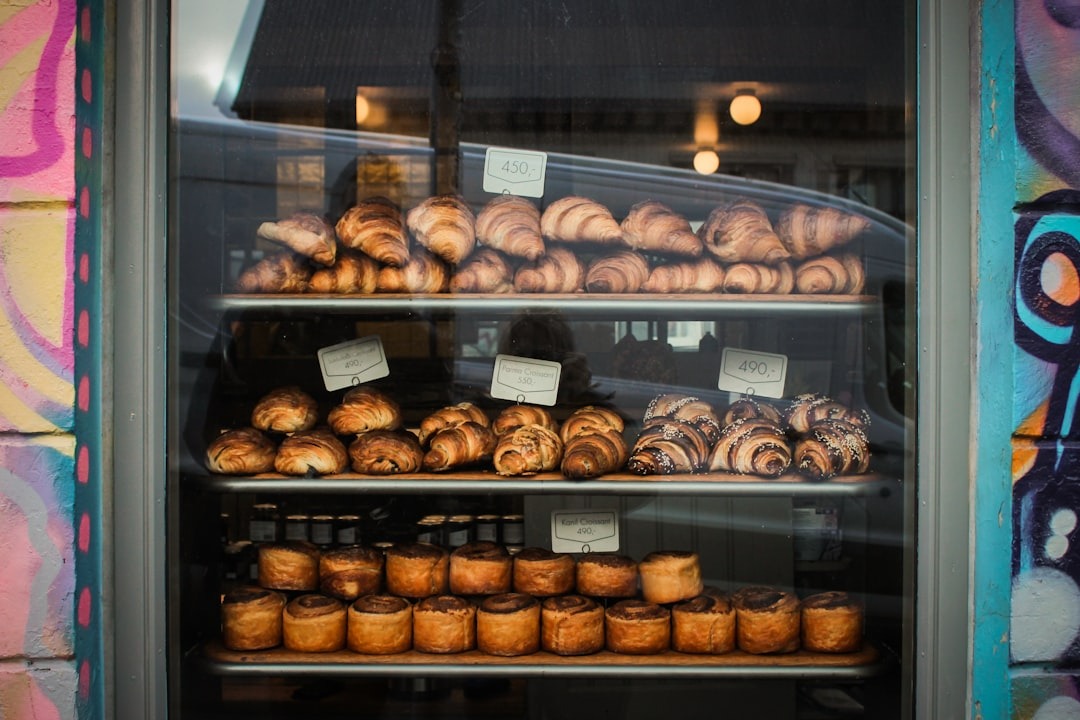
Forget what you call a “Danish” back home. In Denmark, it’s wienerbrød (Vienna bread). These are flaky, buttery, multi-layered pastries, often filled with marzipan, custard, or jam. Finding the perfect one at a local bakery is a daily ritual.
Pølse (The Danish Hot Dog)
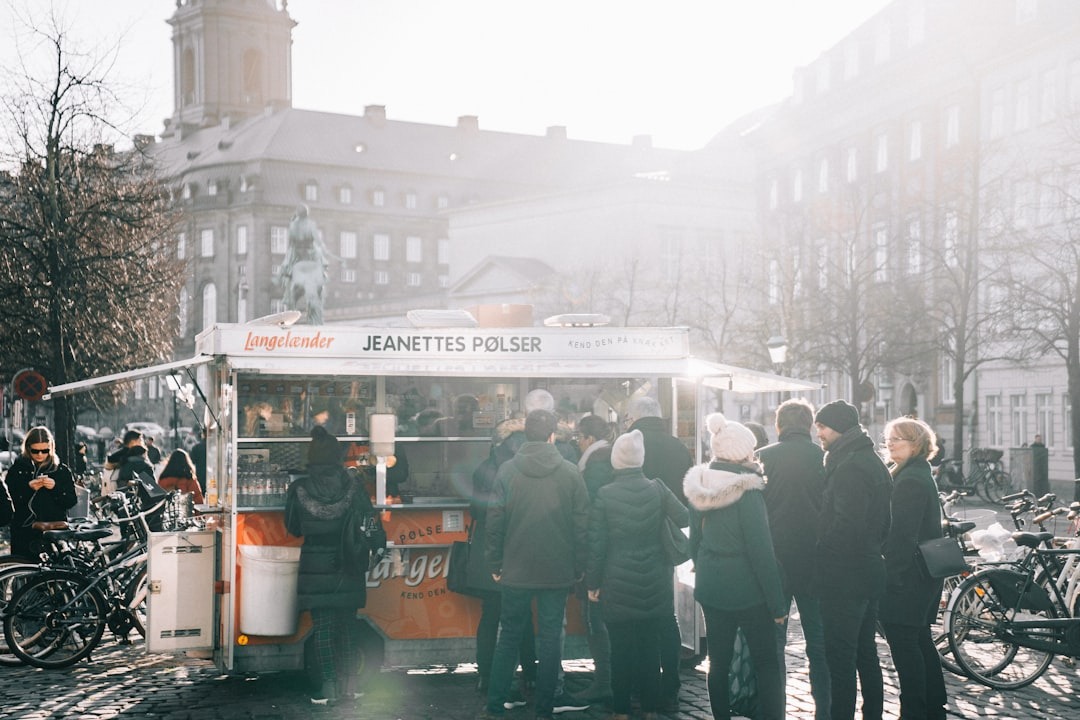
For a quick, authentic, and affordable bite, head to a pølsevogn (hot dog stand). The classic is the rød pølse (red sausage), served in a bun with mustard, ketchup, remoulade, raw onions, and crispy fried onions. It’s a beloved street food staple.

Beyond Noma: Why Copenhagen is a Culinary Capital
Copenhagen’s food scene is a perfect blend of old and new. While world-famous restaurants like Noma pioneered the New Nordic movement, their influence has trickled down to every corner of the city. This means you get:
- Unrivaled Quality: A deep commitment to high-quality, local ingredients, even in casual dining.
- Innovation: Chefs constantly push boundaries, reinventing traditional dishes with modern techniques.
- Accessibility: World-class food experiences are available at all price points, from Michelin-starred dining to vibrant street food markets.
- Hygge: The Danish concept of cozy contentment is baked into the dining experience, making every meal feel special and welcoming.
Experience Copenhagen with the Experts

The best way to dive deep into Copenhagen’s food scene is with a local guide. We highly recommend booking a tour with the city’s original and most respected food tour company.
Your Copenhagen Food Questions Answered
A: Copenhagen is generally considered an expensive city. A sit-down meal at a mid-range restaurant can cost between $30 and $50 per person. However, you can save money by eating at street food markets, grabbing a pølse, or shopping at grocery stores.
A: For popular dinner spots, especially on weekends, yes. For lunch, bakeries, and street food, reservations are not usually necessary.
A: Danish cuisine is the traditional food (like smørrebrød and pork roast). New Nordic cuisine is a modern philosophy that takes traditional ingredients and applies innovative, often lighter, techniques, focusing on seasonality and sustainability.
A: Absolutely. Copenhagen is very vegetarian and vegan-friendly. Most modern restaurants offer excellent plant-based options, and dedicated vegan eateries are common, especially in the Nørrebro and Vesterbro neighborhoods.
A: You must try a freshly baked, warm snurre (cinnamon swirl) from one of the city’s top bakeries. It’s a simple, perfect moment of Danish hygge.
A: No, tipping is not mandatory. Service charges are included in the bill. You can round up the bill or leave a small amount (5-10%) for exceptional service, but it is entirely optional.
A: The Vesterbro and Nørrebro districts are known for their vibrant, diverse, and independent food scenes, offering everything from high-end dining to casual street food. The city center (Indre By) is great for classic spots and fine dining.
A: Yes, virtually everyone working in the service industry in Copenhagen speaks excellent English, so ordering and asking questions will be very easy.
Blog
Explore our curated posts featuring insider tips, culinary discoveries, and personal stories that celebrate Copenhagen’s vibrant food scene.
-
The Best Coffee Spots in Copenhagen You Must Try
This paragraph serves as an introduction to your blog post. Begin by…
-
Sustainable and Delicious: Eco-Friendly Dining in Copenhagen
This paragraph serves as an introduction to your blog post. Begin by…
-

Exploring Danish Cuisine: Must-Try Dishes in Copenhagen
This paragraph serves as an introduction to your blog post. Begin by…
Discover the Best Authentic Danish Flavors
Find essential contact info including locations, phone lines, and email for seamless connection.